Practising the piano
Practising the piano is an essential part of learning the piano, and it is richly rewarding. It is how we get better, and not just as musicians. The connection between what pianist and teacher Alice Pinto refers to as discipline and joy is essential for success in any field:
“Beginner students must learn two almost opposing elements, in my opinion; joy and discipline. The most successful are those who quickly realise (or already know) that the two are actually intertwined, and that joy comes from discipline.”
Practising also means that for entire minutes one is not thinking about work / school / friends / love / family / money / health / self / sea levels / the monster in the White House.
Good practising is not trudging dutifully through your music for a given number of minutes, ignoring and thereby reinforcing your mistakes. It does not mean trying to play the music by ear – ‘Not sure about this bit, it sounds a bit weird but the sheet music is all the way over there so I’ll play the beginning bit again cos I’m ngl it’s sounding good’. It does not mean skittering through pieces too fast to impress the friends who live rent-free in your head.
So what is good practising? This is a large part of what we teach. We don’t only discuss how something ought to sound, and why: we aim to empower students to make it sound that way, whether it’s I’m a Little Teapot or a Beethoven sonata.
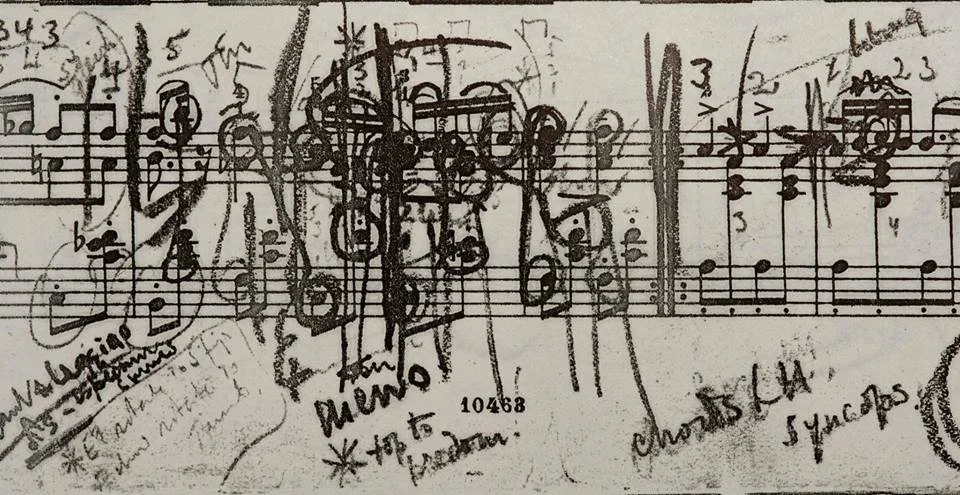
Usually, it involves going over the challenging bits of the music slowly, to coax our fingers to do things they don’t particularly feel like doing at first. Often, I suggest practising tricks and ploys. Children have practice notebooks in which I write instructions. I also annotate their sheet music, and encourage students to annotate their own music (in pencil). It’s really illuminating – just look at this glimpse into the calm and orderly mind of 20th-century concert pianist Clifford Curzon, working on a piece by Schubert:
Finally: what persuades a child to to go the piano and practise in a thoughtful and attentive way? You do! I can help, encourage and hopefully inspire in a weekly lesson. But only parents can ensure that practising nearly every day right from the start becomes habitual. The results will enrich your child’s life.
You may notice that several of the hyperlinks here and on the Exams page go the website of the Cross-Eyed Pianist, which I acknowledge with appreciation and recommend with enthusiasm.
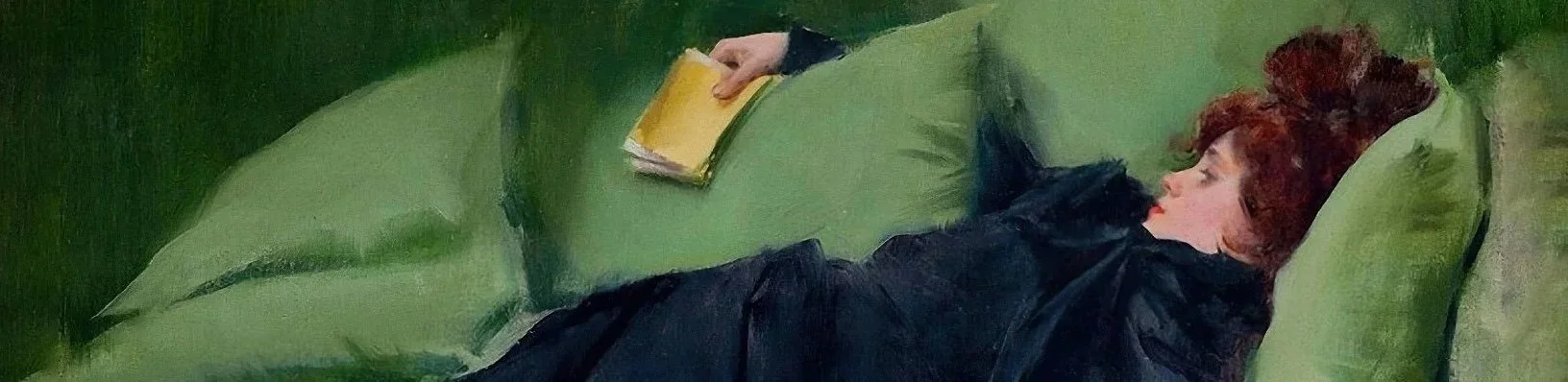
Picture: After the Ball by Ramon Casas y Carbo